
Timber Framing CNC Machines: Precision Traditional & Modern Frame Fabrication.
Advanced 5-axis CNC systems engineered for timber frame fabrication and complex wood joinery.
Transform your timber framing production with Italian precision engineering designed for American traditional and contemporary frame construction.
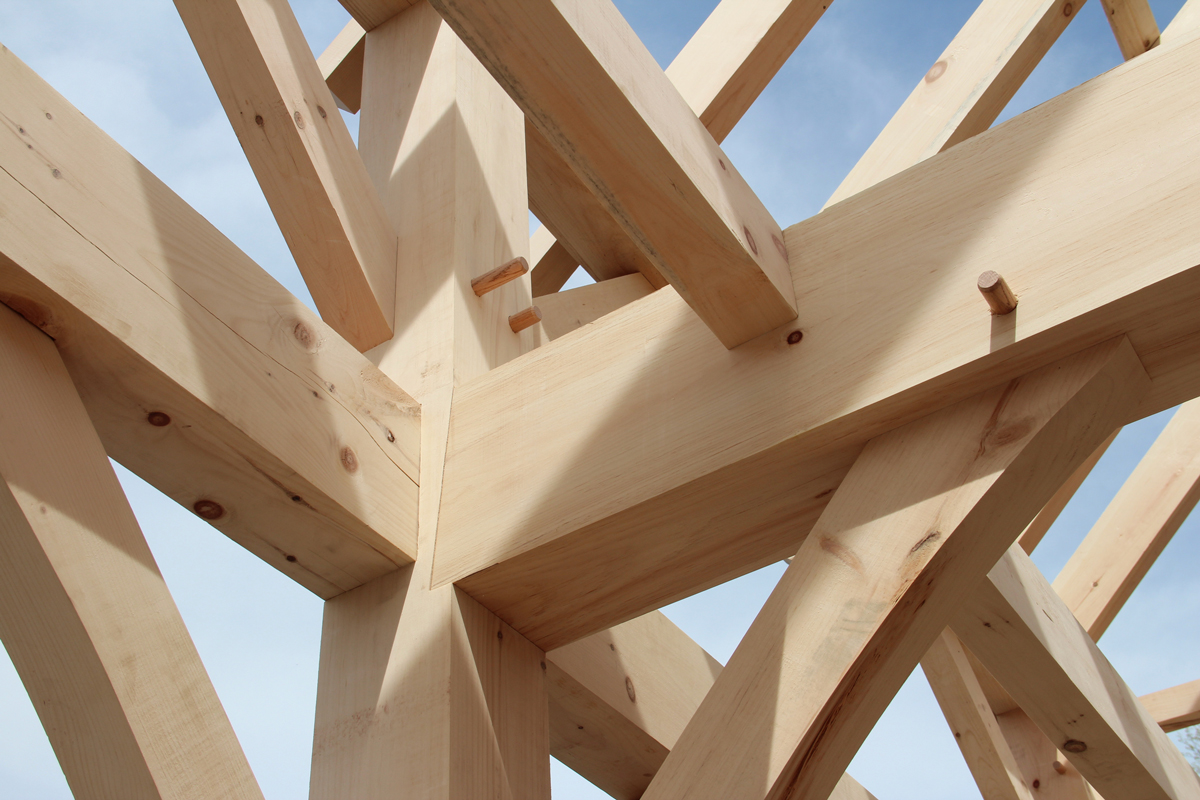
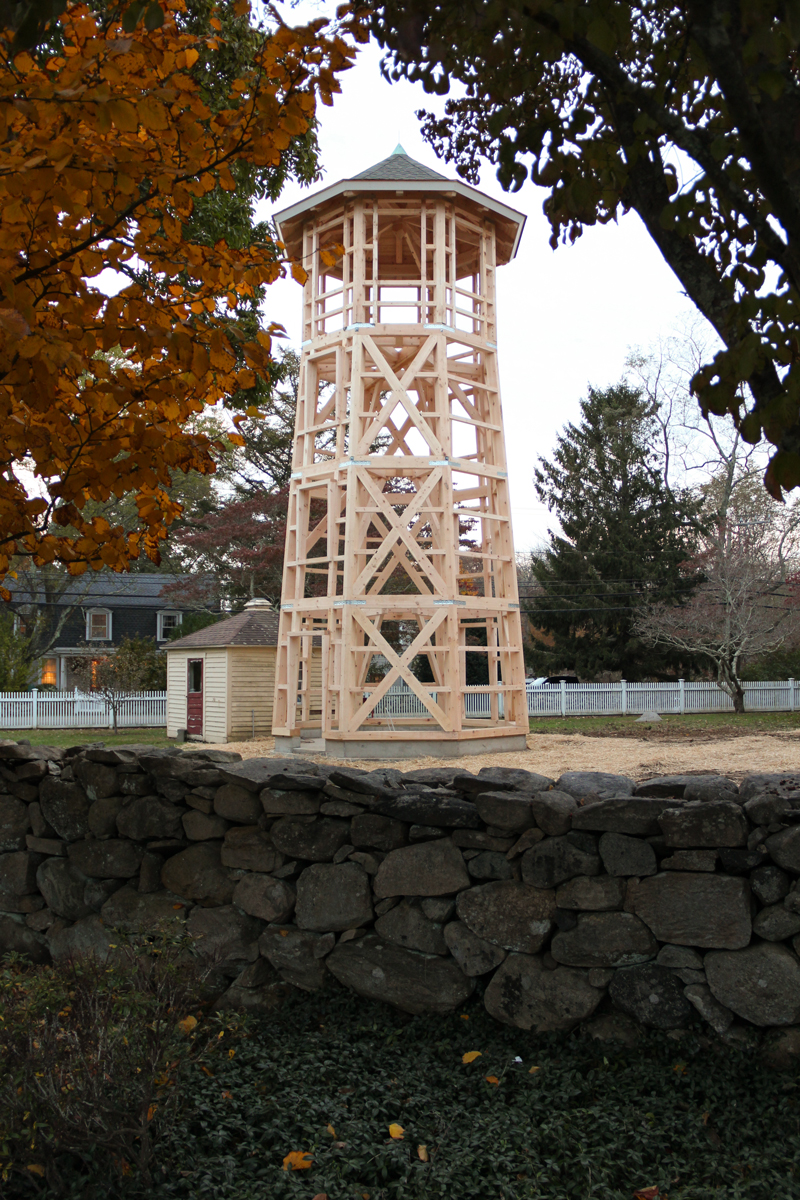
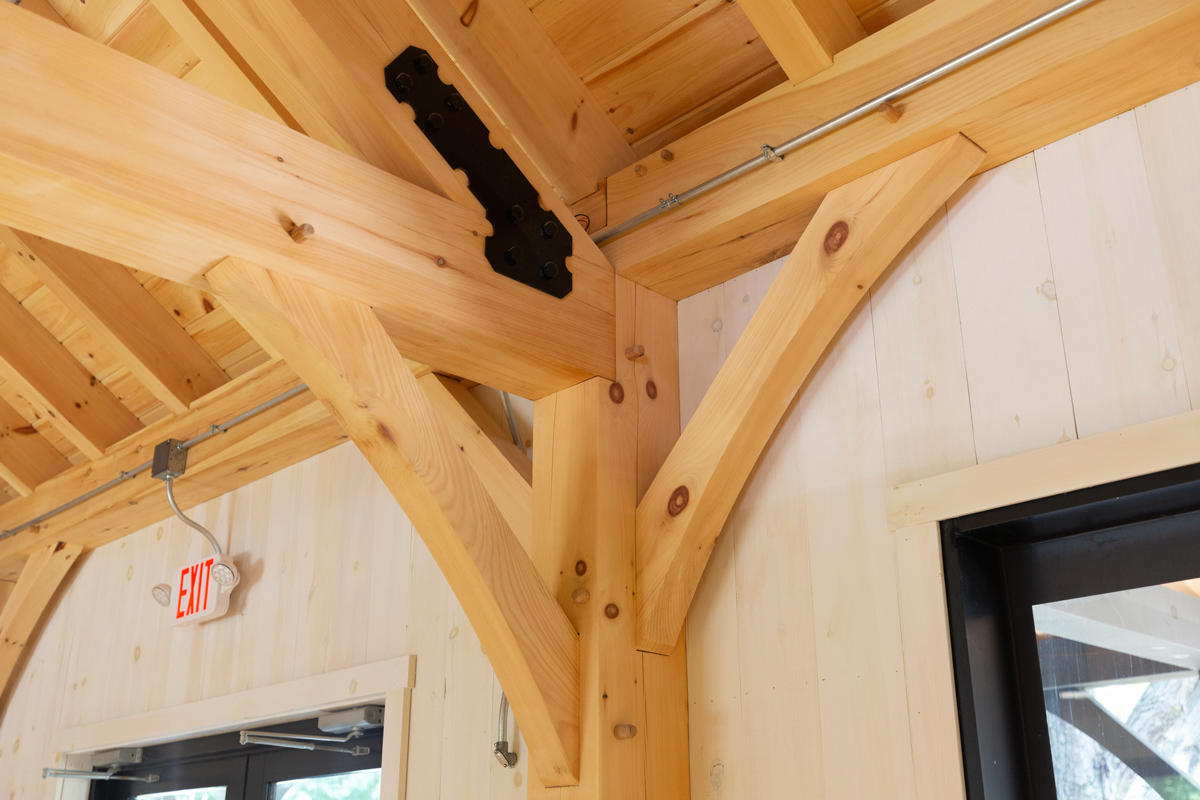
Advanced Timber Frame Manufacturing for American Construction.
Timber framing represents the cornerstone of sustainable, durable construction in America. From traditional post-and-beam homes to modern hybrid timber structures, timber frames require precision machining capabilities that honor centuries-old craftsmanship while meeting contemporary performance standards.
Essetre NA’s specialized timber framing CNC machines handle timbers with standard dimension 45 feet in length, providing the accuracy and flexibility required for complex traditional joinery, modern connections, and architectural timber work. Our 5-axis CNC systems perform intricate mortise and tenon joints, compound scarf connections, dovetails, and custom timber shaping with tolerances that ensure perfect structural fit.
Unlike general-purpose beam processing or manual joinery methods, our precision timber frame routers are engineered specifically for traditional and contemporary timber processing, supporting everything from historic restoration to cutting-edge sustainable construction. Whether you’re crafting frames for custom homes, commercial timber structures, or architectural installations, our Italian-engineered systems deliver the precision and efficiency that American timber framers demand.
Our Timber Framing CNC Machines
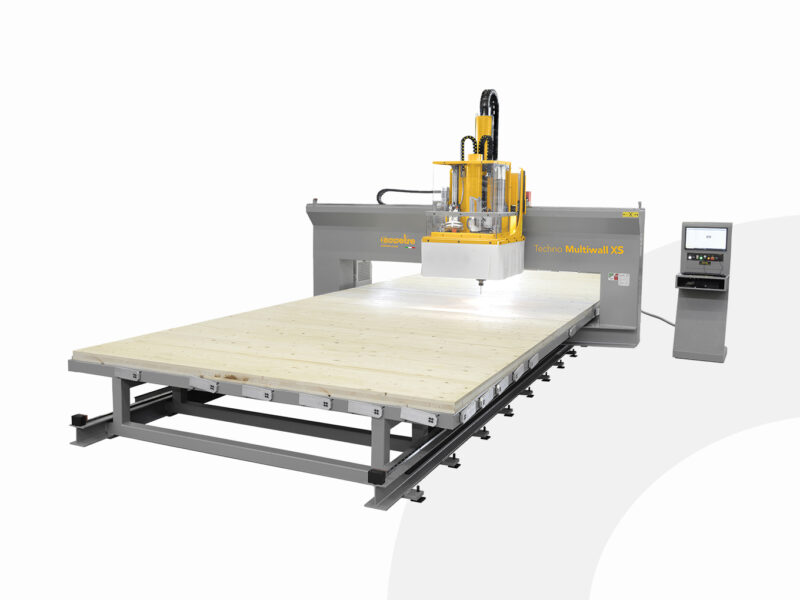
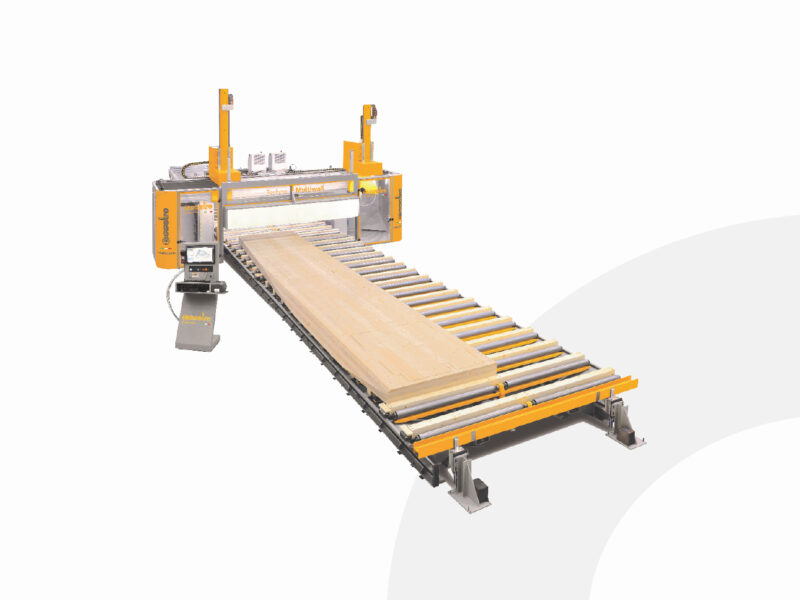
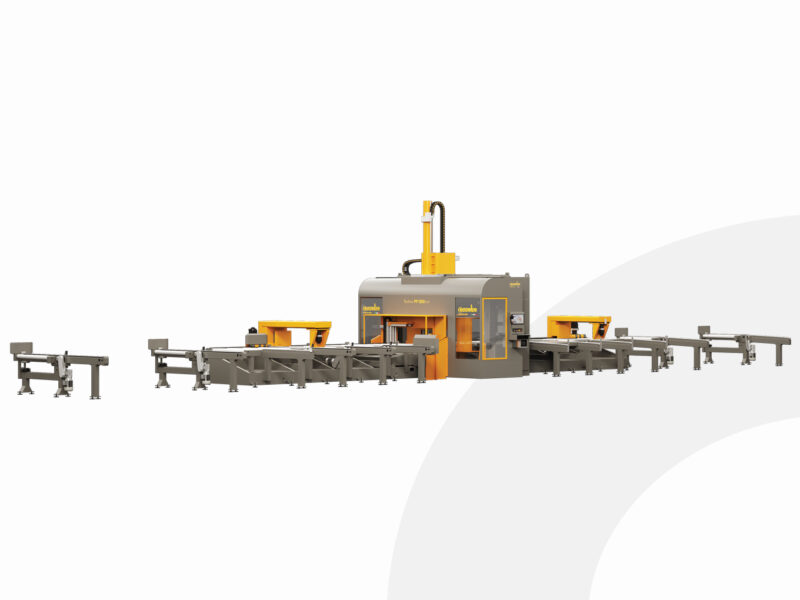
Timber Frame Processing Capabilities.
Traditional Joinery Mastery.
Master the complete spectrum of traditional timber frame joints with CNC precision that honors hand-cut traditions while delivering modern accuracy. Our systems recreate every classical joinery technique with consistency impossible to achieve manually.
Traditional Joint Capabilities:
Mortise and tenon joints
in all traditional configurations and proportions
Dovetail connections
for sill-to-post and beam-to-post assemblies
Hardware housing
for girt-to-post and plate connections
Lap joints
with precise shoulder cuts and traditional proportions
Complex Timber Shaping.
Shape heavy timber members with precision control over every dimension and detail. Our 5-axis capability handles complex timber geometries for both structural requirements and architectural expression.
Shaping Capabilities:
Chamfer cutting
with traditional proportions and hand-hewn appearance
Decorative edge treatments
including ogee, roundover, and custom profiles
Timber tapering
for posts, braces, and architectural elements
Compound angle cuts
for complex roof structures and braces
Modern Connection Integration.
Seamlessly integrate contemporary connection systems with traditional timber framing, including engineered connections, steel hardware, and hybrid timber-steel assemblies.
Modern Connection Processing:
Steel bracket recesses
for concealed modern connections
Threaded rod passages
with precise alignment and countersinks
Engineered lumber connections
for TJI and LVL integration
SIPs panel connections
with gasket channels and seal grooves
Hybrid connection details
combining traditional and modern methods
Restoration & Reproduction.
Execute historical restoration work and faithful reproductions of traditional timber frames with meticulous attention to period-appropriate techniques and proportions.
Restoration Capabilities:
Pattern matching
from existing historical timbers
Traditional proportioning
systems and historical joinery methods
Weathering simulation
for seamless restoration integration
Species-specific cutting strategies
for optimal joint performance
Documentation
and archival quality reproduction work
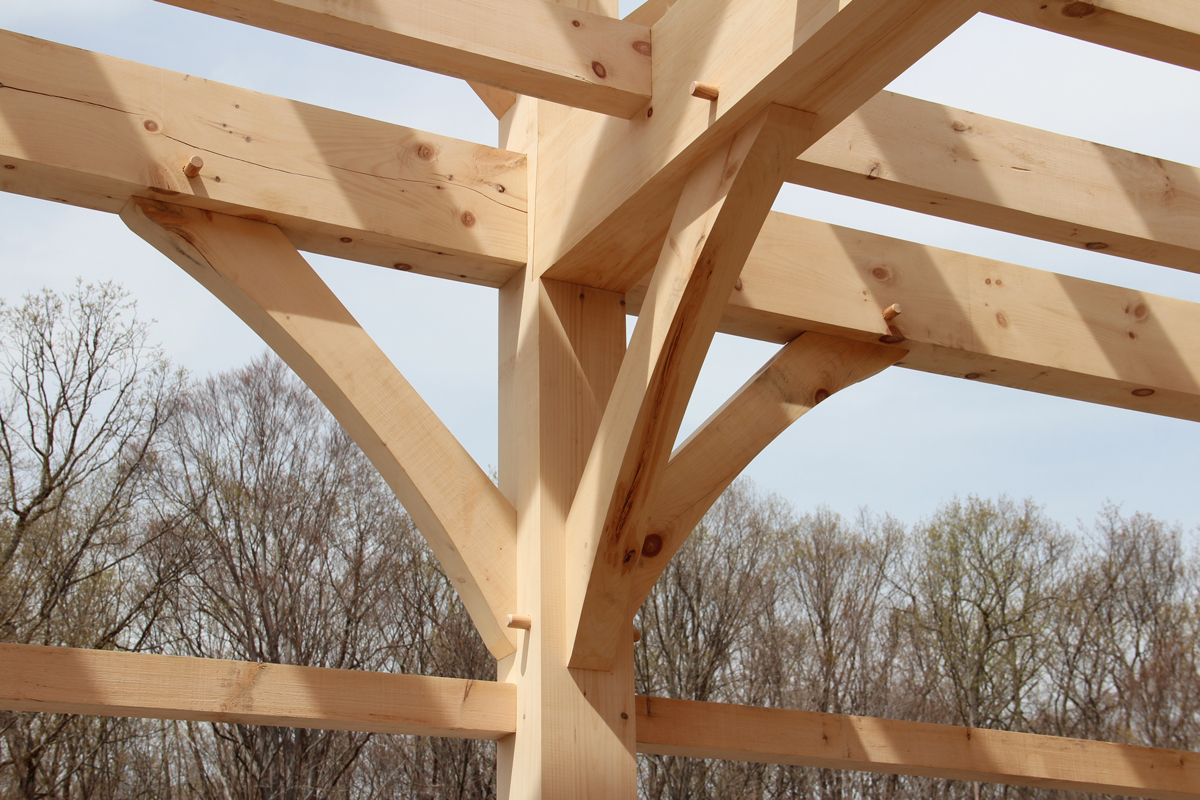
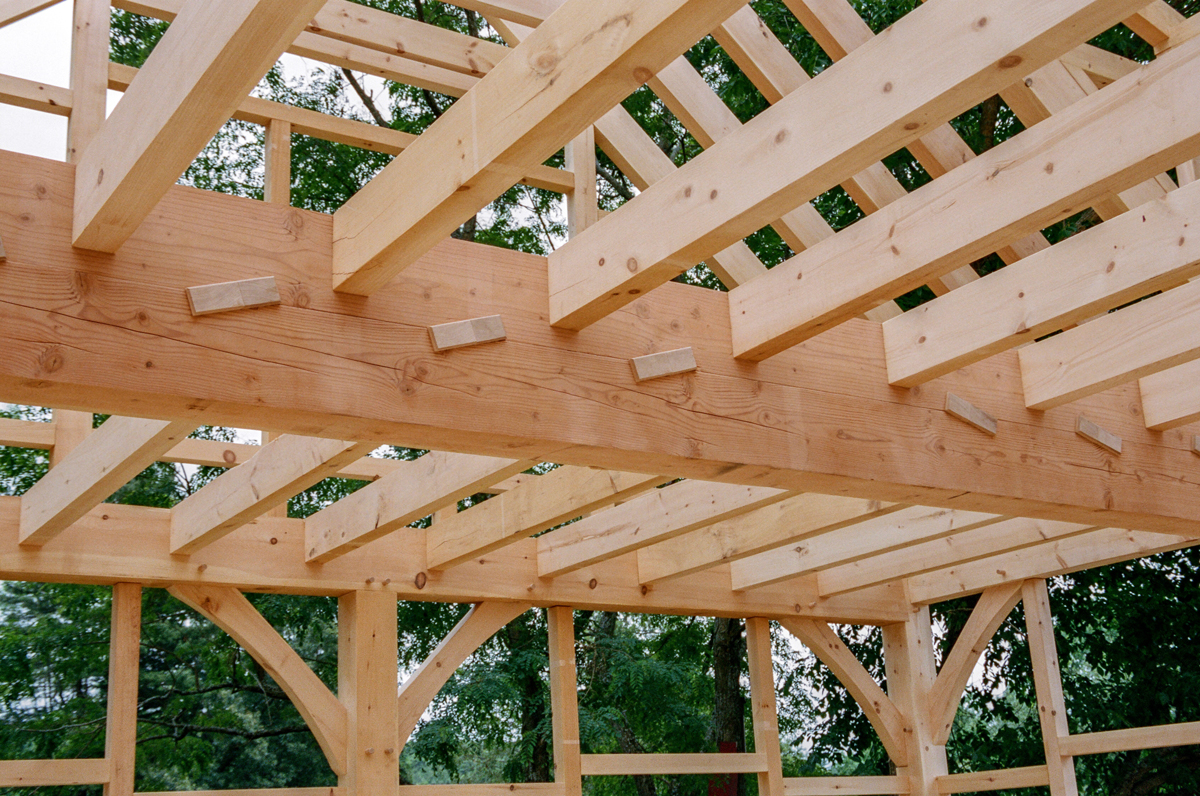
Technical Specifications for Timber Frame Fabrication.
Machine Configuration.
Working dimensions:
standard 45 feet L × 10 feet W × 16 inches H
5-axis simultaneous machining
for complex joint geometries
Timber capacity:
Up to 8,000 lbs with automated handling systems
Multi-spindle configurations
for high-volume production
Pneumatic clamping systems
designed for heavy timber stability
Timber Frame-Specific Features.
Grain-oriented cutting strategies
to prevent splitting and tear-out
Heavy timber support systems
with automated positioning
Multi-sided machining
with automatic timber rotation
Traditional joint libraries
with historical proportioning systems
Quality verification
with integrated measurement and documentation
Software & Integration
Timber framing CAD integration
with Cadwork, HSB, Dietrich’s, Sema, Revit and more
Traditional joint optimization
based on timber species and loading
Timber layout
and cutting list optimization
Project management
for custom timber frame orders
Historical joint database
with traditional proportioning rules
Timber Frame Construction Applications.
Residential Timber Frame Homes.
Custom timber frame processing for post-and-beam homes, traditional timber frame houses, and contemporary timber residences where craftsmanship meets modern performance standards.
Applications: Custom timber homes, post-and-beam construction, barn homes, timber cottages, sustainable housing
Key Benefits: Authentic craftsmanship with modern precision, faster assembly, superior structural performance
Commercial Timber Structures.
Heavy timber processing for commercial buildings, offices, retail spaces, and institutional projects requiring exposed timber aesthetics and structural performance.
Project Types: Offices, retail spaces, restaurants, breweries, community buildings, churches
Advantages: Architectural appeal, sustainable construction, cost-effective structural systems.
Agricultural & Barn Construction.
Traditional barn framing for agricultural buildings, horse facilities, and rural structures requiring authentic construction methods and proven structural performance.
Facilities: Traditional barns, horse barns, agricultural buildings, equipment storage, hay storage
Benefits: Historical authenticity, proven durability, agricultural functionality.
Restoration & Heritage Projects.
Precision restoration services for historic timber frame buildings, museums, and heritage structures requiring faithful reproduction of traditional techniques and materials.
Applications: Historic homes, barns, mills, covered bridges, museums, interpretive centers.
Advanced Timber Frame Manufacturing for American Construction.
Frequently Asked Questions.
What timber sizes can your CNC machines handle?
Our timber framing CNC systems can process timbers with standard dimension 45 feet in length with cross-sections up to 16″ × 16″. We can configure systems for specific timber requirements, with custom installations accommodating larger timbers based on your facility and project needs.
Can your systems cut all traditional timber frame joints?
Absolutely. Our systems excel at every traditional timber frame joint including mortise and tenon variations, dovetails, scarfs, housing joints, lap joints, and specialty connections. We maintain a comprehensive traditional joint library with historically accurate proportions and cutting methods.
How do you maintain traditional joint proportions and aesthetics?
Our traditional joinery programming follows historical proportioning systems and time-tested joint configurations. We can replicate hand-cut aesthetics including tool marks, chamfers, and traditional details while ensuring structural integrity and perfect fits.
Do your systems work with timber framing design software?
Yes, we provide seamless integration with timber framing CAD systems including Cadwork, HSB, Dietrich’s, Sema, Revit and more. Our systems can directly import timber frame models and automatically generate optimized toolpaths for all joints and connections.
Can you handle both green and seasoned timber?
Yes, our systems are configured for both green and seasoned timber processing with cutting strategies optimized for each material condition. We adjust speeds, feeds, and tool selection based on timber moisture content and species characteristics for optimal results.